Fritz Thyssen Helped Finance the Nazi Party, but Later Changed His Mind
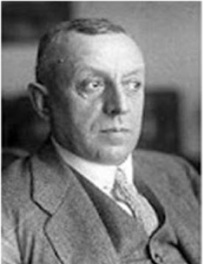
by Kathy Warnes
After he fled to Switzerland when World War II began, Fritz Thyssen said, "The Nazi regime has ruined German industry." Some historians doubt his sincerity and his timing.
For a time, German industrialist Fritz Thyssen thought that Nazism was the wave of the future, and he was one of the earliest and largest contributors to ride the Nazi party wave. He and many other German businessmen and industrialists believed that if the Nazis destroyed organized labor that would enable entrepreneurs to practice unregulated free enterprise and the German nation would prosper.
By 1939, the eve of the Second World War, Fritz Thyssen belatedly recognized the Nazi threat to the survival of Germany. He suffered disillusionment, imprisonment and prosecution for his errors in judgment. Later he said, "What a fool (dummkofp) I was!"
A Profitable Family Business
Fritz’s father, August Thyssen, headed up the Thyssen mining and steelmaking company that his father, Friedrich Thyssen had founded. The city of Essen in the Ruhr served as company headquarters and by the eve of World War One, the company employed 50,000 workers and produced one million tons of iron and steel yearly.
August expected his son Fritz to follow in the founding father’s footsteps, so he sent Fritz to London and Berlin to study mining and metallurgy. After Fritz served in the German Army for a short time, he went full time into the family business. In 1900, Fritz married Amelie Zurhelle, the daughter of a factory owner and their only child Anita was born in 1909. Fritz once again joined the German Army in 1914, but was discharged with a lung condition.
Fritz Thyssen Meets Adolf Hitler and Joins the Nazi Party
Fritz matured into a political conservative and a German nationalist. In 1923, he met former General Erich Ludendorff who urged him to attend a Nazi Party meeting that featured a speech by Adolf Hitler. Hitler’s speech and his bitter opposition to the Treaty of Versailles impressed Fritz, and he began to donate large sums of money to the Nazi Party.
The Thyssen companies continued to expand through the 1920s, and when August died in 1926, Fritz took over the family business. In 1928, he formed the United Steelworks which controlled more than 75 percent of Germany’s iron ore reserves and employed 200,000 people. He shaped German commercial life as the head of the German Iron and Steel Industry Association and the Reich Association of German Industry, and as a board member of the Reichsbank. He donated 650,000 Reichmarks primarily to the Nazi party, although he didn’t join it until 1933.
Fellow industrialist Emil Kirdorf negotiated with Fritz Thyssen between 1930-1933 for more funding for the Nazi party. Thyssen arranged a 250,000 marks credit at a subsidiary of the August Thyssen Bank of Germany. Fritz’s father had founded the bank in Rotterdam, Holland, and this Thyssen personal banking operation also had affiliations with the W.A. Harriman financial interests in New York. He also persuaded the Association of German Industrialists to donate three million Reichmarks to the Nazi Party for the March 1933 Reichstag election. The Nazi’s rewarded him by electing him a Nazi member of the Reichstag and appointing him to the Council of the State of Prussia, the largest German state.
Fritz Has Second Thoughts About the Nazis
As the Nazis gained control of Germany, Fritz Thyssen began to give them a careful second look. He had welcomed their suppression of the Communists, the Social Democrats and the trade unions, but he disliked Nazi violence and he recoiled from their political murders. He went along with the Nazis when they excluded Jews from German business and professional life, and he dismissed his Jewish employees. He didn’t share Hitler’s violent anti-Semitism and objected to the Nazi repression of the Catholic Church.
According to Thyssen, he reached his breaking point in November 1938, with the Nazi pogrom called Kristallnacht, where Jewish businesses and synagogues were burned and Jews were beaten and killed. He resigned from the Council of State and by 1939, he bitterly criticized the Nazi economic policies that focused on rearmament and war.
After Germany invaded Poland in 1939, Fritz Thyssen sent Hermann Goering a telegram saying that he opposed the war and he left for Switzerland with his family. The Nazis expelled him from their party and the Reichstag, and they briefly nationalized his company. Later they returned it to other members of his family.
Fritz is Imprisoned and Denazified
TheThyssens moved to France as a prelude to immigrating to Argentina, but they were caught up in the German occupation of France. The Germans arrested Fritz and took him back to Germany. First they confined him in a sanatorium near Berlin, and then in Sachsenhausen concentration camp as an “honorable prisoner.” In February 1945, he was sent to Dachau concentration camp and he survived until the Allied forces liberated him in May of 1945. Shortly after his liberation, he was rearrested and in 1948, the Obertaunus Denazification Tribunal tried him for being a supporter of the Nazi Party.
Fritz Thyssen did not deny that he had been a Nazi supporter until 1938, and he accepted responsibility for his companies’ mistreatment of Jewish employees in the 1930s. He denied involvement in the employment of slave labor during the war. Thyssen agreed to pay 500,000 Deutschemarks compensation to those who suffered because of his actions, and he was acquitted of other charges. In January 1950, he and his wife immigrated to Argentina. He died in Buenos Aires on February 8, 1951.
In 1959 Thyssen’s widow Amelie Thyssen and daughter Anita Zichy-Thyssen established the Fritz Thyssen Foundation to advance science and the humanities.
References
Organizing Control: August Thyssen and the Construction of German Corporate Management, Jeffrey R. Fear, Harvard University Press, 2005.
The Rise and Fall of the Third Reich: A History of Nazi Germany, William L. Shirer, Simon & Schuster, 1990.
After he fled to Switzerland when World War II began, Fritz Thyssen said, "The Nazi regime has ruined German industry." Some historians doubt his sincerity and his timing.
For a time, German industrialist Fritz Thyssen thought that Nazism was the wave of the future, and he was one of the earliest and largest contributors to ride the Nazi party wave. He and many other German businessmen and industrialists believed that if the Nazis destroyed organized labor that would enable entrepreneurs to practice unregulated free enterprise and the German nation would prosper.
By 1939, the eve of the Second World War, Fritz Thyssen belatedly recognized the Nazi threat to the survival of Germany. He suffered disillusionment, imprisonment and prosecution for his errors in judgment. Later he said, "What a fool (dummkofp) I was!"
A Profitable Family Business
Fritz’s father, August Thyssen, headed up the Thyssen mining and steelmaking company that his father, Friedrich Thyssen had founded. The city of Essen in the Ruhr served as company headquarters and by the eve of World War One, the company employed 50,000 workers and produced one million tons of iron and steel yearly.
August expected his son Fritz to follow in the founding father’s footsteps, so he sent Fritz to London and Berlin to study mining and metallurgy. After Fritz served in the German Army for a short time, he went full time into the family business. In 1900, Fritz married Amelie Zurhelle, the daughter of a factory owner and their only child Anita was born in 1909. Fritz once again joined the German Army in 1914, but was discharged with a lung condition.
Fritz Thyssen Meets Adolf Hitler and Joins the Nazi Party
Fritz matured into a political conservative and a German nationalist. In 1923, he met former General Erich Ludendorff who urged him to attend a Nazi Party meeting that featured a speech by Adolf Hitler. Hitler’s speech and his bitter opposition to the Treaty of Versailles impressed Fritz, and he began to donate large sums of money to the Nazi Party.
The Thyssen companies continued to expand through the 1920s, and when August died in 1926, Fritz took over the family business. In 1928, he formed the United Steelworks which controlled more than 75 percent of Germany’s iron ore reserves and employed 200,000 people. He shaped German commercial life as the head of the German Iron and Steel Industry Association and the Reich Association of German Industry, and as a board member of the Reichsbank. He donated 650,000 Reichmarks primarily to the Nazi party, although he didn’t join it until 1933.
Fellow industrialist Emil Kirdorf negotiated with Fritz Thyssen between 1930-1933 for more funding for the Nazi party. Thyssen arranged a 250,000 marks credit at a subsidiary of the August Thyssen Bank of Germany. Fritz’s father had founded the bank in Rotterdam, Holland, and this Thyssen personal banking operation also had affiliations with the W.A. Harriman financial interests in New York. He also persuaded the Association of German Industrialists to donate three million Reichmarks to the Nazi Party for the March 1933 Reichstag election. The Nazi’s rewarded him by electing him a Nazi member of the Reichstag and appointing him to the Council of the State of Prussia, the largest German state.
Fritz Has Second Thoughts About the Nazis
As the Nazis gained control of Germany, Fritz Thyssen began to give them a careful second look. He had welcomed their suppression of the Communists, the Social Democrats and the trade unions, but he disliked Nazi violence and he recoiled from their political murders. He went along with the Nazis when they excluded Jews from German business and professional life, and he dismissed his Jewish employees. He didn’t share Hitler’s violent anti-Semitism and objected to the Nazi repression of the Catholic Church.
According to Thyssen, he reached his breaking point in November 1938, with the Nazi pogrom called Kristallnacht, where Jewish businesses and synagogues were burned and Jews were beaten and killed. He resigned from the Council of State and by 1939, he bitterly criticized the Nazi economic policies that focused on rearmament and war.
After Germany invaded Poland in 1939, Fritz Thyssen sent Hermann Goering a telegram saying that he opposed the war and he left for Switzerland with his family. The Nazis expelled him from their party and the Reichstag, and they briefly nationalized his company. Later they returned it to other members of his family.
Fritz is Imprisoned and Denazified
TheThyssens moved to France as a prelude to immigrating to Argentina, but they were caught up in the German occupation of France. The Germans arrested Fritz and took him back to Germany. First they confined him in a sanatorium near Berlin, and then in Sachsenhausen concentration camp as an “honorable prisoner.” In February 1945, he was sent to Dachau concentration camp and he survived until the Allied forces liberated him in May of 1945. Shortly after his liberation, he was rearrested and in 1948, the Obertaunus Denazification Tribunal tried him for being a supporter of the Nazi Party.
Fritz Thyssen did not deny that he had been a Nazi supporter until 1938, and he accepted responsibility for his companies’ mistreatment of Jewish employees in the 1930s. He denied involvement in the employment of slave labor during the war. Thyssen agreed to pay 500,000 Deutschemarks compensation to those who suffered because of his actions, and he was acquitted of other charges. In January 1950, he and his wife immigrated to Argentina. He died in Buenos Aires on February 8, 1951.
In 1959 Thyssen’s widow Amelie Thyssen and daughter Anita Zichy-Thyssen established the Fritz Thyssen Foundation to advance science and the humanities.
References
Organizing Control: August Thyssen and the Construction of German Corporate Management, Jeffrey R. Fear, Harvard University Press, 2005.
The Rise and Fall of the Third Reich: A History of Nazi Germany, William L. Shirer, Simon & Schuster, 1990.
